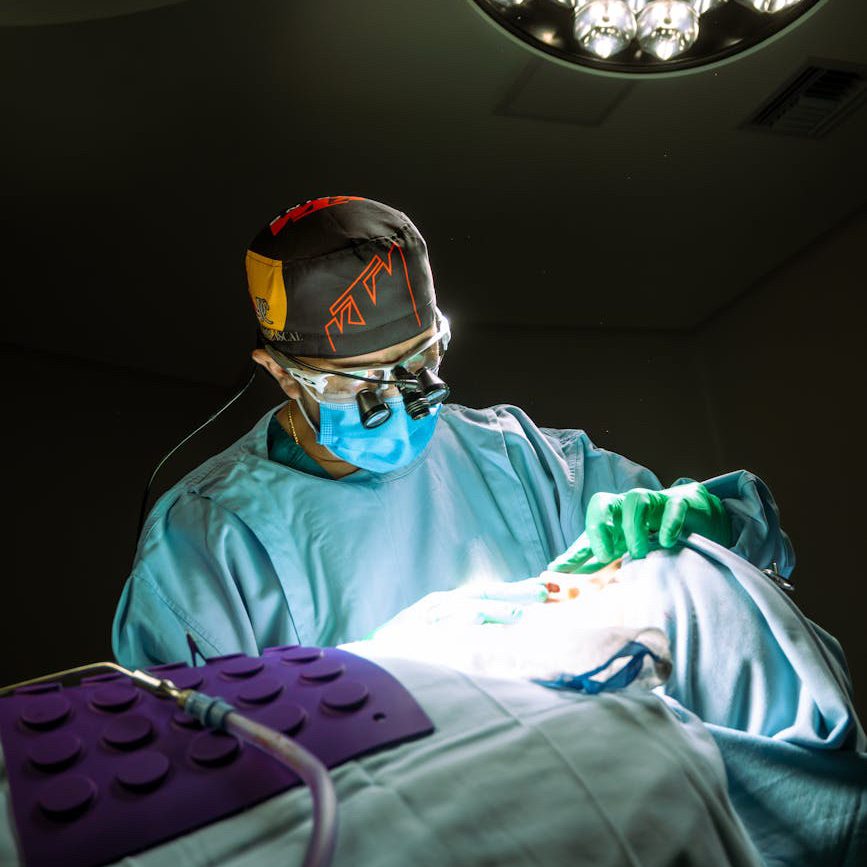
Introduction
The nose is one of the most defining features of the face, and even small changes to its shape can dramatically influence overall facial balance. Rhinoplasty, or nasal reshaping surgery, is a procedure designed to improve the appearance and, in some cases, the function of the nose.
If you’re considering rhinoplasty, it’s important to understand what the procedure involves, whether you’re a suitable candidate, and what recovery looks like.
What Is Rhinoplasty?
Rhinoplasty is a surgical procedure that reshapes the nose by altering bone, cartilage, or soft tissue. It can be performed for:
✅ Aesthetic reasons: Refining nasal shape, size, or symmetry to improve facial harmony.
✅ Functional reasons: Correcting breathing difficulties due to a deviated septum or structural abnormalities (septorhinoplasty).
✅ Post-trauma or reconstruction: Repairing deformities following injury or congenital conditions.
There are two main approaches:
- Open Rhinoplasty: A small incision across the columella (between the nostrils) for greater visibility and precision – this is Dr Cheng’s preferred technique.
- Closed Rhinoplasty: Incisions are hidden inside the nostrils, leaving no external scar – usually used in very selected group of patients with minor adjustment of shape.
The technique chosen depends on your anatomy and surgical goals.
Who Is a Good Surgical Candidate?
You may be suitable for rhinoplasty if you:
- Are unhappy with the size, shape, or proportion of your nose
- Are in good general health and have realistic expectations
⚠️ Who may not be suitable?
If you have untreated nasal or sinus conditions, unrealistic cosmetic goals, or significant medical risks, surgery may not be recommended.
How to Prepare for Surgery
- Choose a Qualified Specialist Plastic Surgeon
Look for FRACS (Plastic & Reconstructive Surgery) or ENT surgeons with subspecialty rhinoplasty training. Experience in both aesthetic and functional nasal surgery is crucial. - Have a Detailed Consultation
Discuss your goals, review before-and-after photos, and ask your surgeon about realistic outcomes. Digital imaging may help visualise possible results, but it’s only a guide. - Plan for Recovery
Stop smoking well before surgery, follow any medication adjustments recommended, and arrange for 1–2 weeks of downtime.
What to Expect During Recovery
- Initial Healing (First 1–2 weeks): Swelling and bruising around the eyes are common. Nasal splints or dressings are usually removed after 7–10 days.
- Returning to Work: Most patients feel comfortable returning to work or social activities after 10–14 days, although subtle swelling may persist.
- Final Results: While the nose will continue to refine over months, final results may take up to 12-18 months as residual swelling settles.
Risks and Safety Considerations
Rhinoplasty is relatively safe when performed by an experienced surgeon, but risks include:
- Bleeding or infection (rare)
- Breathing difficulties due to swelling or structural changes
- Scarring and distortion of skin envelope and underlying cartilage framework
- Dissatisfaction with cosmetic results, occasionally requiring revision surgery
A qualified surgeon will discuss these risks with you and plan your surgery with both function and aesthetics in mind.
Is Rhinoplasty Right for You?
Rhinoplasty can be life-changing for the right patient, improving facial balance. However, it requires careful planning and realistic expectations. Always choose a qualified Specialist Plastic Surgeon with experience in both aesthetic and reconstructive nasal surgery.
About Dr Paul Cheng
I’m Dr Paul Cheng, FRACS, a Specialist Plastic, Aesthetic & Reconstructive Surgeon practising on the Gold Coast and in Ballina, NSW. My training includes experience in aesthetic rhinoplasty and reconstructive nasal surgery following tumour ablation, ensuring a balanced approach to both form and function.
If you’re considering rhinoplasty, you can book a consultation or follow me on Instagram @dr.paulcheng for educational updates.