Introduction
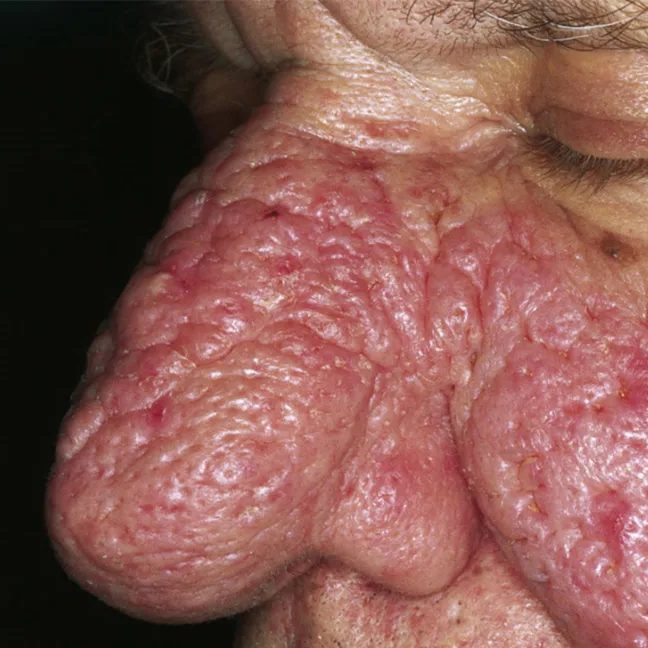
Rhinophyma is a skin condition that leads to the thickening and enlargement of the nose, often resulting in a bulbous or irregular nasal contour. It is considered a severe form of rosacea, though not all patients with rosacea will develop rhinophyma.
While the condition is benign (not cancerous), it can cause significant cosmetic and functional concerns — sometimes obstructing breathing through the nose. Fortunately, effective treatments are available, ranging from medical therapy to surgery.
What Causes Rhinophyma?
The exact cause isn’t fully understood, but several factors contribute:
- Chronic rosacea: Long-standing rosacea can trigger excess tissue growth.
- Overgrowth of sebaceous (oil) glands: Leading to thick, uneven skin.
- Genetics and environment: May play a role in who develops the condition.
- Alcohol use: While once thought to be a direct cause, research shows alcohol does not cause rhinophyma but may worsen rosacea symptoms.
Symptoms and Appearance
- Gradual thickening of the nasal skin
- Enlarged, bulbous nose shape
- Visible enlarged pores and oiliness
- Surface irregularities, nodules, or reddish discoloration
- In advanced cases, nasal obstruction from excess tissue
How Is Rhinophyma Treated?
1. Medical Management (Early Stages)
- Topical or oral medications used for rosacea may help reduce inflammation and prevent progression.
- Medications alone do not usually reverse established rhinophyma.
2. Surgical & Procedural Treatments (Moderate to Severe Cases)
The mainstay of treatment is removing excess tissue and reshaping the nose. Options include:
- Scalpel or Excisional Surgery: Carefully trimming away thickened skin.
- Hydro-dissection Surgical Debridement (Versajet): Uses pressurised water blade and vacuum system to cut and reshape tissue.
- Laser Therapy (CO₂ or Erbium Laser): Vaporises excess tissue, smooths irregularities, and improves skin texture.
- Dermabrasion: Sometimes used after surgical removal to refine contour.
The resulting raw skin surface wound will need time to heal by secondary intention, with dressing supports.
3. Goals of Treatment
- Restore a more natural nasal shape
- Improve airway function if breathing is affected
- Enhance cosmetic appearance and confidence
Recovery After Rhinophyma Surgery
- Raw skin surface wound: usually takes a week to heal
- Mild swelling and redness for the first few weeks to be expected
- Dressings or ointments used to support healing
- Return to daily activities: usually within 1–2 weeks depending on treatment
- Final results become clearer as redness fades over several months (6 months or more)
Risks and Considerations
While generally safe, potential risks include:
- Temporary redness or sensitivity
- Infection or delayed healing
- Pigment changes in the skin
- Rare recurrence if underlying rosacea remains active
Living With Rhinophyma
Early recognition and treatment of rosacea may prevent progression to rhinophyma. For those with established rhinophyma, surgical treatment is highly effective in restoring both appearance and nasal function.
About Dr Paul Cheng
I’m Dr Paul Cheng, FRACS, Specialist Plastic, Aesthetic & Reconstructive Surgeon practising on the Gold Coast and in Ballina, NSW. I provide advanced care for conditions like rhinophyma, using surgical and laser techniques to achieve natural, safe, and functional results.
📅 Book a Consultation if you have concerns about rhinophyma or nasal changes and would like to explore treatment options.