Introduction
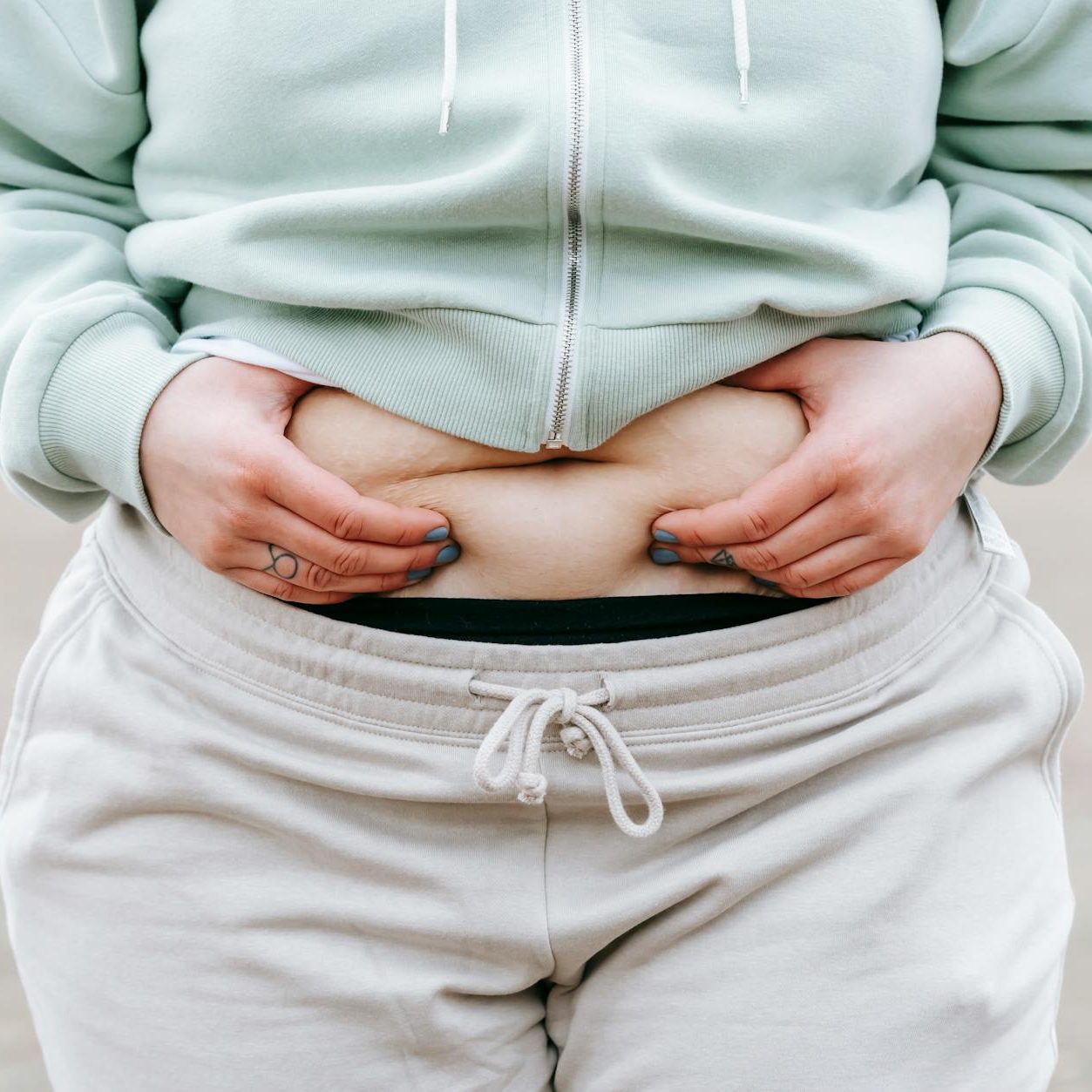
Excess abdominal skin and weakened core muscles can result from weight loss, pregnancy, or ageing — and may not respond to diet and exercise alone. A tummy tuck, or abdominoplasty, is a surgical procedure that removes excess skin and tightens the abdominal wall to create a smoother, firmer contour.
If you’re considering this procedure, it’s important to understand what it involves, whether you’re a good candidate, and how recovery works to ensure the best possible outcome.
What Is an Abdominoplasty or a “Tummy Tuck” Surgery?
Abdominoplasty involves the removal of excess skin and fat from the lower abdomen and the tightening of stretched or separated abdominal muscles (rectus diastasis). In many cases, it also improves core stability.
✅ Standard Abdominoplasty: Involves a curved horizontal incision low on the abdomen and repositioning of the navel.
✅ Mini Abdominoplasty or Modified Abdominoplasty: A smaller procedure focusing on loose skin below the belly button or modified approach to tighten the separated abdominal muscles (i.e. correcting rectus diastasis with minimal skin resection required).
✅ Fleur-de-lis Abdominoplasty: Suitable for patients with massive weight loss and significant skin excess both vertically and horizontally.
✅ Circumferential Abdominoplasty or Belt Lipectomy: Suitable for patients with massive weight loss and significant skin excess both vertically and horizontally, as well as posterior trunk skin excess.
Who Is a Good Candidate?
You may be suitable for abdominoplasty if you:
- Have loose abdominal skin or separated abdominal muscles (common post-pregnancy or post-weight loss)
- Are in good general health and near your goal weight (i.e. stable weight for 3 months or more)
- Are not planning future pregnancies
- Do not smoke, or are willing to stop for minimum of 6 weeks before surgery, and be smoke-free after surgery
⚠️ This procedure is not a weight-loss solution, but rather a contouring surgery. Patients should be medically stable and have realistic expectations.
How to Prepare for Surgery
- Choose a Qualified Specialist Plastic Surgeon
Ensure your surgeon holds FRACS (Plastic & Reconstructive Surgery) certification and is experienced in body contouring procedures. - Plan Your Recovery
You’ll need 2-3 nights in the accredited private hospital. Plan to have 2–3 weeks off work, support at home during the first few days, and help with childcare or physical duties. You will not be able to do any core exercises for about 4-6 weeks. - Optimise Your Health
Stop smoking, maintain a stable weight, and ensure all medical conditions (e.g. diabetes) are well managed prior to surgery.
What to Expect During Recovery
- Dressings & Compression: Sutures are usually all dissolving. You’ll wear a compression abdominal binder to minimise swelling and support healing. You will return weekly to see the nurses for wound check and change of dressings until all wounds are fully healed.
- Drains: Small surgical drains may be used temporarily to reduce fluid accumulation. These drains are usually removed within the first week.
- Mobility: Walking is encouraged as early as tolerated, but bending and lifting are limited in the first 4-6 weeks.
- Return to Work: Most patients return to light duties by 2–3 weeks, with full activity resuming around 6–8 weeks.
Scarring and Final Results
A horizontal scar is placed low on the abdomen, typically hidden below underwear or swimwear. With proper wound care and topical scar management, scars generally fade over time.
✅ Final results are usually visible by 3–6 months, with ongoing improvement in contour and skin scar appearance for up to a year.
Risks and Safety Considerations
Abdominoplasty is safe when performed by a qualified specialist, but like all surgery, it is an invasive procedure and carries risks such as:
- Infection or delayed wound healing
- Fluid accumulation (seroma) requiring aspiration or repeated drainage
- Numbness or changes in abdominal sensation
- Blood clots (especially in extended procedures)
- Skin necrosis or dog ears, requiring minor scar revision
You will be given personalised pre-op and post-operative instructions to minimise these risks.
Can It Be Combined with Other Procedures?
Yes. A tummy tuck is commonly combined with:
- Liposuction (to the flanks or upper abdomen for enhanced contour)
- Breast surgery (as part of a Mummy Makeover) such as Mastopexy or Augmentation
Your surgeon will advise whether a combined procedure is appropriate for your goals and health status. However, it is generally recommended to carefully consider the risks of extended operative time and the prolonged recovery versus the perceived benefit of having the combined procedures.
Is a “Tummy Tuck” Surgery Right for You?
Abdominoplasty can dramatically improve abdominal shape, core strength, and body proportion. For patients with persistent skin laxity or abdominal wall weakness, it can also improve physical comfort.
As with all surgery, ensure the decision is made for your own goals, and choose a surgeon with the right training, experience, and patient-focused approach.
About Dr Paul Cheng
I’m Dr Paul Cheng, FRACS, a Specialist Plastic, Aesthetic & Reconstructive Surgeon based on the Gold Coast and in Ballina, NSW. I perform a range of body contouring procedures including tummy tucks, liposuction, and post-pregnancy surgery, with a focus on natural results and patient safety.
If you’re considering abdominoplasty, feel free to book a consultation or follow me on Instagram @dr.paulcheng for more educational updates.