Introduction
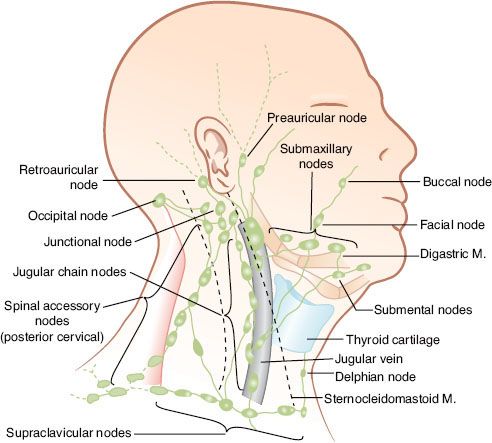
A neck dissection is a surgical procedure performed to remove lymph nodes and surrounding tissue in the neck. It is most commonly used in the management of head and neck cancers, including cancers of the mouth, skin, throat, thyroid, or salivary glands.
The purpose of this operation is to determine whether cancer has spread to the lymph nodes and, if so, to control that spread while preserving important structures in the neck.
Why Is Neck Dissection Performed?
- Cancer Staging: Determines whether cancer has spread to lymph nodes.
- Treatment: Removes cancerous nodes to reduce the risk of recurrence or spread.
- Prevention: Sometimes recommended even if lymph nodes are not enlarged, but risk of microscopic spread is high (e.g., in melanoma or oral cancers).
Types of Neck Dissection
The extent of surgery depends on the location, stage, and type of cancer:
- Radical Neck Dissection
- Removes all lymph nodes on one side of the neck, along with additional structures such as muscles, veins, and nerves if necessary.
- Now less commonly performed, reserved for extensive cancers.
- Modified Radical Neck Dissection
- Removes all lymph nodes but preserves key structures (e.g., spinal accessory nerve, jugular vein, sternocleidomastoid muscle).
- Helps reduce functional side effects.
- Selective Neck Dissection
- Only certain lymph node groups are removed, depending on which are most likely to be involved in that type of cancer.
- Less invasive, with quicker recovery and fewer long-term effects.
The type of Neck Dissection is determined by clinical indication, and will be explained to you by your surgeon.
Recovery After Neck Dissection
- Hospital stay: Typically 2–5 days.
- Drains: 1-2x surgical drains may be placed to prevent fluid build-up.
- Swelling and bruising: Common around the neck and jawline.
- Numbness: Lower ear, neck, or shoulder numbness may occur.
- Return to work: Light activities in 2–3 weeks, full recovery in 4–6 weeks.
- Rehabilitation: Physiotherapy may be recommended, especially if shoulder stiffness occurs.
If performed as part of cancer management, additional treatments such as radiotherapy or chemotherapy may follow.
Risks and Complications
Like any major surgery, risks include:
- Infection or bleeding
- Nerve injury leading to weakness or muscle dysfunction
- Neck or facial numbness
- Swelling or fluid collections (seroma/lymphocele)
- Cosmetic changes in neck contour
Careful surgical planning and modern selective techniques help minimise these risks.
Life After Neck Dissection
Many patients live full, active lives after neck dissection. Some temporary effects (numbness, tightness, or shoulder stiffness) improve with time and physiotherapy.
Long-term outcomes depend on the underlying cancer type and stage, but early and effective surgical management plays a vital role in improving survival.
About Dr Paul Cheng
I’m Dr Paul Cheng, FRACS, a Specialist Plastic, Aesthetic & Reconstructive Surgeon with experience in head and neck cancer ablation and reconstruction. My role is not only to safely remove cancer but also to ensure that function, appearance, and quality of life are preserved wherever possible.
📅 Book a Consultation if you or a loved one have been advised to undergo a neck dissection, to discuss personalised treatment and reconstructive options.